Confidence and Attraction: The Honest Science (and What It Means for Your Wardrobe)
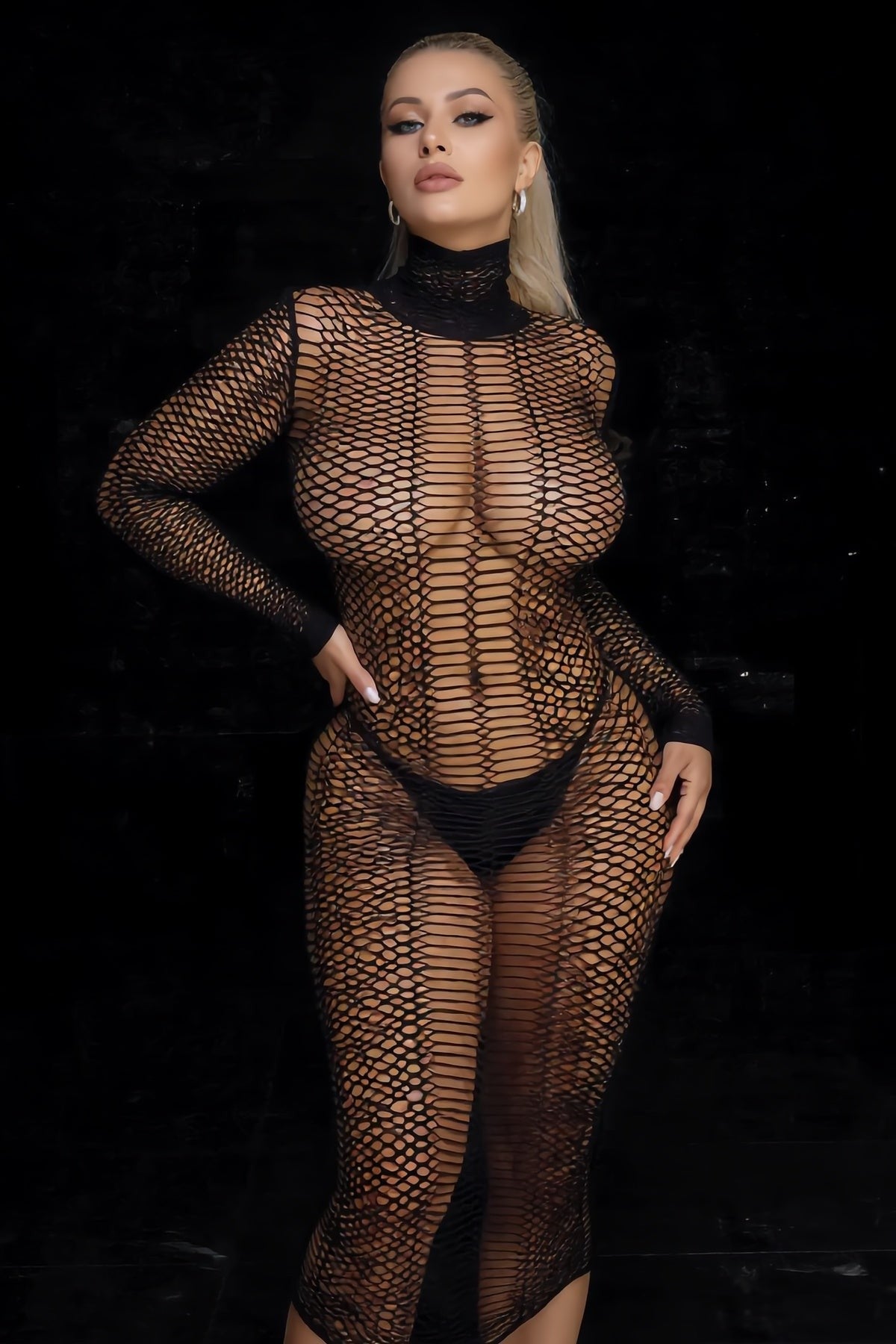
Confidence and Attraction: What the Research Actually Says
You’ve heard it a thousand times: confidence is attractive. But what does that mean in real life—not as a motivational poster, but as something you can actually use? The honest answer is that the psychology of attraction is messy, personal, and far less about perfection than the internet would have you believe. Research on self-esteem, body language, and first impressions keeps pointing to the same quiet truth: people are drawn to people who seem at ease with themselves. Not flawless. At ease.
That matters for both men and women, and it matters for mutual relationships—the kind where attraction isn’t a performance but a two-way street. Your wardrobe is part of that picture, but not in the way advertising usually sells it. It’s not about covering up or showing off. It’s about reducing friction between how you feel and how you present yourself. When your clothes fit well, feel good on your skin, and match the version of yourself you want to be that day, you stop thinking about them. That’s when your attention goes back to the person in front of you—and that’s attractive.

The Psychology of Attraction Is Less About Looks Than You Think
Decades of research on interpersonal attraction show that while physical appearance gets the first glance, it rarely carries the conversation. Studies on self-esteem research suggest that people with stable self-worth tend to be more relaxed in social situations, which makes them easier to be around. That ease is contagious. It’s also not the same as arrogance. Quiet confidence—the kind that doesn’t need to announce itself—reads as safety, and safety is a prerequisite for mutual attraction.
What Men and Women Notice First (and What They Remember)
Men and women both notice grooming, posture, and whether someone seems approachable. But what people remember is how you made them feel. Did you listen? Did you laugh easily? Did you seem comfortable in your own skin? Those memories outlast any first impression of your outfit. The practical takeaway: dress in a way that lets you forget about your clothes. If a piece keeps tugging, pinching, or making you self-conscious, it’s working against you—no matter how good it looks on a hanger.
Why ‘Effortless’ Is a Skill, Not a Gift
Effortless style is usually just preparation you can’t see. A well-chosen base layer, a fit that flatters your actual body rather than an imagined one, and fabrics that feel good against your skin all do quiet work. Shapewear like the All Day Every Day Bodyshaper is a good example: it’s not about changing your shape, it’s about smoothing the line so you can stop adjusting and start participating. That’s the difference between dressing to be looked at and dressing to be present.
Body Language Confidence: Small Signals, Big Impact
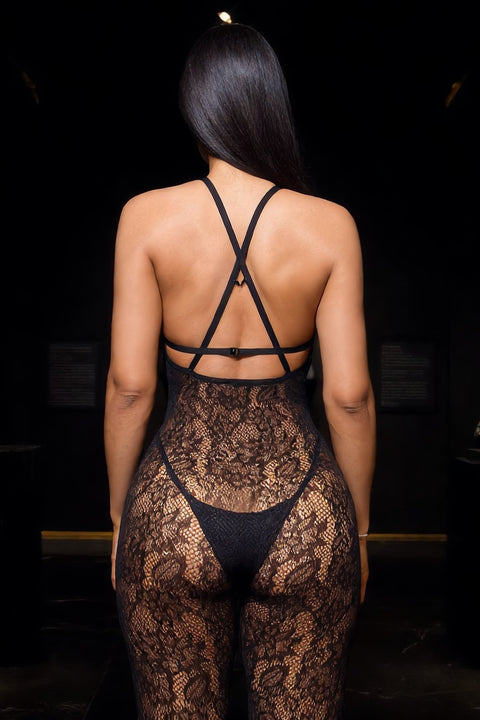
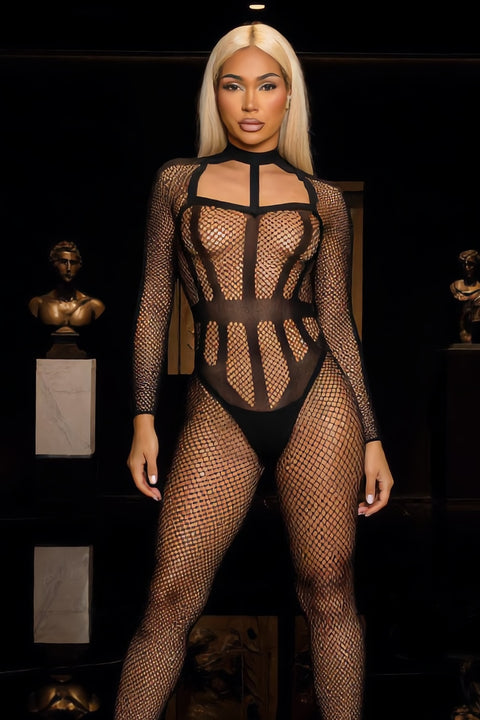
Body language confidence isn’t a trick. It’s what happens when you’re not bracing for judgment. Open posture, steady eye contact, and a relaxed jaw are hard to fake for long—and that’s fine, because you don’t need to fake them. You need to feel comfortable enough to let them happen. Clothes that fit your body and your mood make that easier. A bodystocking that moves with you, a robe that feels like a small luxury, a swimsuit that stays put—these are small physical comforts that translate into visible ease.
The Feedback Loop Between Posture and Self-Esteem
Self-esteem research has explored how posture and self-perception influence each other. You don’t have to buy into any grand claims to notice the everyday version: when you’re not tugging at a hem or hiding under a baggy layer, you stand a little taller. That’s not magic. It’s the absence of distraction. For women, that might mean a Black Cut-Out High-Cut Swimsuit that feels secure enough to actually swim. For men, it might mean a robe that makes a slow morning feel intentional instead of rushed. Either way, the goal is the same: fewer adjustments, more presence.
Reading the Room—and Being Read Accurately
Attraction is mutual, which means body language is a conversation, not a broadcast. Confidence includes noticing when someone isn’t receptive and respecting that. The most attractive version of body language confidence is calibrated: open enough to invite, aware enough to back off. That’s not a wardrobe issue, but your clothes can help or hinder it. If you’re comfortable, you’re more likely to read signals accurately instead of projecting your own nerves.

Self-Esteem Research and the Myth of the ‘Perfect’ Body
Self-esteem research consistently finds that body image is only one piece of the puzzle. People with high self-esteem aren’t necessarily the most conventionally attractive; they’re the ones who’ve stopped outsourcing their worth to a mirror. That’s a process, not a switch, and it’s not something a garment can fix. But a garment can support it—by fitting well, feeling good, and not asking you to apologize for your body. Body-positive dressing starts with the radical idea that your body is the given, and the clothes are the variable.
Fit Over Fiction
Most people are wearing the wrong size somewhere. Not because they’re in denial, but because sizing is inconsistent and dressing rooms are unkind. The fix is practical: know your measurements, ignore the number on the tag, and choose pieces that work with your shape rather than against it. A Black Crisscross Swimsuit with adjustable straps, for example, lets you tune the fit instead of hoping. That small control is a confidence boost you can actually feel.
Dressing for the Body You Have Today
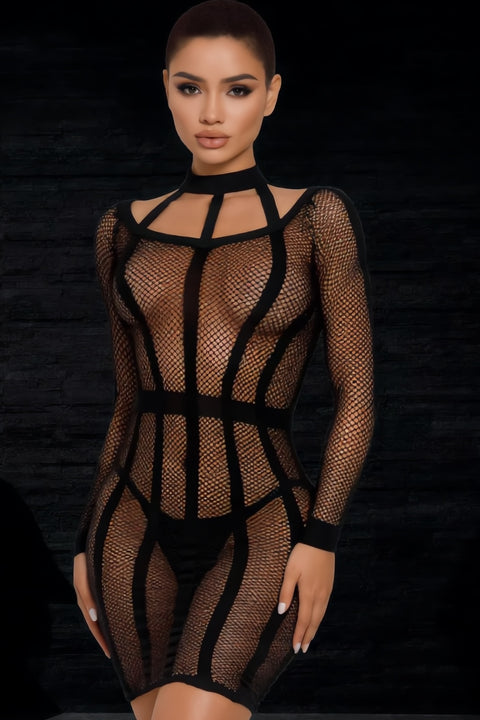
Bodies change. Weight fluctuates, muscles come and go, and the outfit that felt great last summer might not feel great now. That’s normal. The honest approach is to dress for the body you have today, not the one you’re planning to have eventually. A bodystocking collection with stretch and structure gives you options that move with you. And a bra collection that prioritizes support over wishful thinking is a quiet act of self-respect.
Confidence and Attraction in Mutual Relationships
Attraction in a healthy relationship isn’t a one-time audition. It’s ongoing, mutual, and built on feeling seen. For both men and women, confidence in a relationship looks like being able to say what you want, wear what makes you feel good, and not treat either as a test. If you’re dressing up for a partner, do it because it’s fun, not because you’re afraid of losing them. If you’re dressing down, do it because comfort is real. The psychology of attraction supports this: people are drawn to authenticity, and authenticity is easier when you’re not performing a version of yourself you don’t recognize.
For Women: Desire Without Performance
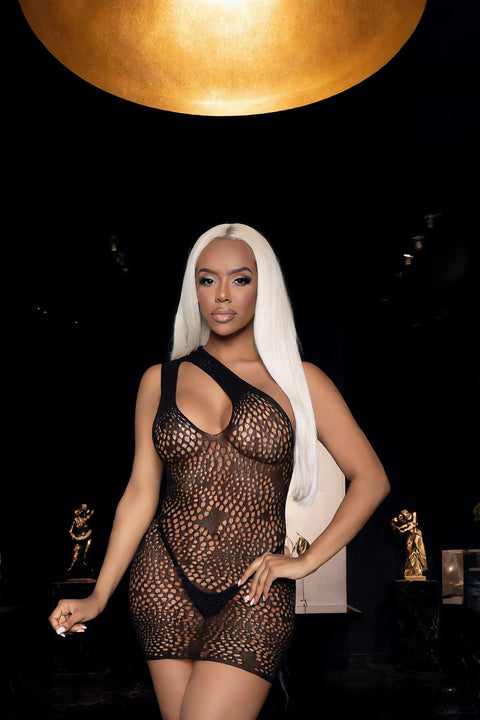
Women often get the message that lingerie is for someone else’s gaze. It can be—but it doesn’t have to be. A All Night Long Bodystocking or a Babydoll Set can be a way to feel like yourself in a different key, whether or not anyone else is in the room. That shift—from performing to enjoying—is where confidence and attraction actually meet.
For Men: Ease Is Allowed
Men get fewer invitations to care about how they feel in their clothes. That’s a loss. A well-made robe like the Aura Robe or a Belted Wrap Robe isn’t about vanity; it’s about the small pleasure of feeling put-together at home. That ease shows up in how you sit, how you listen, how you show up. It’s not a strategy. It’s just nicer.
Practical Takeaways for Your Wardrobe
- Choose clothes that disappear. If you’re thinking about your outfit, you’re not thinking about the person in front of you.
- Fit beats label size. Ignore the number and trust the mirror and your comfort.
- Build a base you trust. A reliable bodyshaper or a well-fitting bra makes everything else easier.
- Dress for the body you have today. It’s the only one you can actually dress.
- Let it be fun. A accessories collection or a holiday collection piece can be a low-stakes way to experiment.
FAQ
Does confidence really make you more attractive?
Research on the psychology of attraction suggests yes—but not because confidence is a trick. People are drawn to ease and authenticity. Confidence signals that you’re comfortable with yourself, which makes others feel comfortable too. It’s less about being bold and more about being present.
Can what I wear actually change how confident I feel?
It can, in a practical way. Clothes that fit well and feel good reduce distraction, so you’re not tugging or adjusting. That frees your attention for the people around you. It’s not a cure for low self-esteem, but it’s a small, real support.
Is this different for men and women?
The research on confidence and attraction applies to both, but the social messages differ. Women often face more pressure around appearance; men often get less encouragement to care about comfort and style. The practical takeaway is the same: dress for your own ease, not a performance.
Recommended this week
- All Day Every Day Bodyshaper — a smooth base layer that reduces distraction so you can be present.
- Aura Robe — an easy, put-together layer that brings quiet confidence to your at-home routine.
- Black Crisscross Swimsuit — adjustable fit and secure feel for body language confidence in and out of the water.